
Vintage vs. Modern Furniture: What Adds Value — and What Adds Clutter?
This is a subtitle for your new post
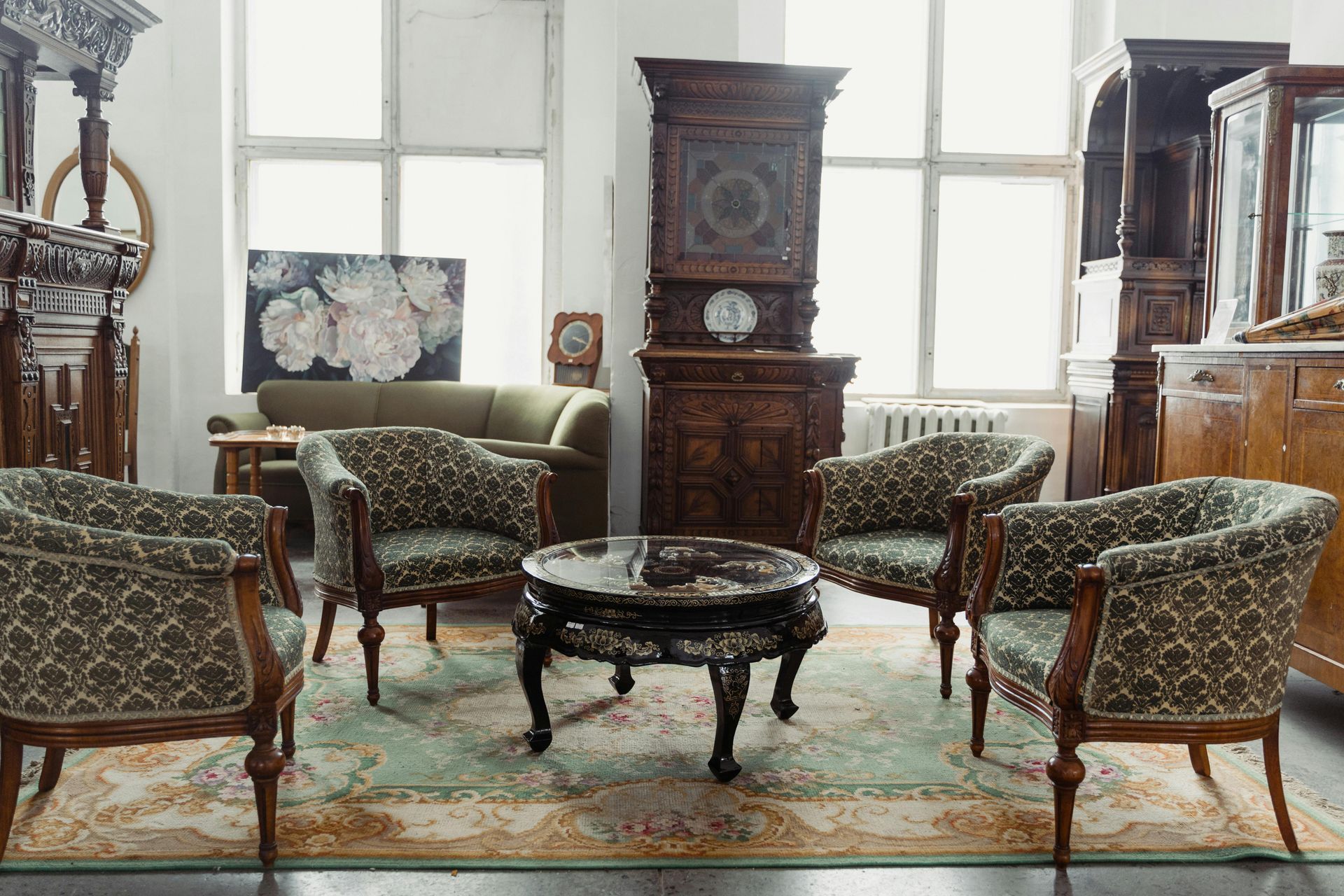
Choosing between vintage furniture and modern furniture isn’t just about style — it’s about function, value, space, and long-term practicality. Whether you’re furnishing a new home, renovating, downsizing, or preparing for a move, understanding the difference between what adds value and what creates clutter can save you money, square footage, and stress.
If you’re currently staring at a garage full of old furniture or debating whether to upgrade your living room set, this guide will help you decide what’s worth keeping — and what may be time to remove.
What Is Considered Vintage Furniture?
Vintage furniture typically refers to pieces that are at least 20–30 years old. This includes mid-century modern dressers, retro coffee tables, traditional dining sets, antique hutches, and older solid wood bedroom furniture.
Many homeowners hold onto vintage pieces because of:
- Sentimental value
- Superior craftsmanship
- Solid hardwood construction
- Unique design details
But age alone doesn’t automatically mean value.
When Vintage Furniture Adds Real Value
1. Solid Wood Construction
Older furniture was often built with oak, maple, cherry, or walnut rather than particle board. Solid wood furniture can last generations if properly maintained.
2. Timeless Design
Mid-century modern and certain traditional styles remain in high demand. Well-maintained vintage furniture can increase resale appeal or become a focal point in your home.
3. Sustainability & Eco-Friendly Living
Refinishing or repurposing old furniture reduces landfill waste. In an era where sustainability matters, keeping quality pieces can be an environmentally responsible choice.
4. Investment Potential
Some antique or designer pieces appreciate in value over time — especially if they’re in excellent condition.
When Vintage Furniture Turns Into Clutter
Not all older furniture is collectible. In fact, much of it becomes what professionals call “bulky household clutter.”
Common signs a vintage piece may no longer add value:
- It’s damaged beyond practical repair
- It doesn’t fit your current home layout
- It overwhelms small rooms
- It sits unused in a garage or storage unit
- It costs more to restore than replace
Large entertainment centers, oversized hutches, worn sofas, and outdated bedroom sets are common items homeowners struggle to part with.
What Defines Modern Furniture?
Modern furniture focuses on clean lines, functionality, and space efficiency. It’s designed for today’s open floor plans and smaller living spaces.
Popular characteristics include:
- Minimalist design
- Lightweight materials
- Neutral color palettes
- Multi-functional features
- Compact footprints
Modern furniture is often more adaptable to contemporary lifestyles.
When Modern Furniture Adds Value
1. Space Optimization
In smaller homes, condos, and apartments, modern furniture makes rooms feel open rather than crowded.
2. Functional Design
Storage beds, modular sectionals, and compact dining sets maximize usability.
3. Easier Mobility
Unlike heavy antique pieces, many modern items are easier to move during renovations or relocations.
4. Cohesive Aesthetic
Modern furniture can create a clean, organized look that appeals to buyers if you’re staging your home for sale.
When Modern Furniture Becomes Disposable
The downside of modern furniture? Many pieces are mass-produced with lower-cost materials like MDF or laminate.
Over time, this can mean:
- Sagging cushions
- Peeling finishes
- Structural weakness
- Little to no resale value
When lower-quality modern furniture breaks down, it often isn’t worth repairing.
How to Determine What Adds Value in Your Home
Furniture adds value when it:
- Serves a clear purpose
- Fits your space proportionally
- Enhances comfort and functionality
- Aligns with your current lifestyle
- Is structurally sound
Furniture becomes clutter when it:
- Blocks movement
- Collects dust
- Creates stress
- Takes up garage or storage space
- No longer matches your needs
If you’re renovating, moving, downsizing, or preparing a property for sale, evaluating your furniture honestly can dramatically improve your home’s feel and resale appeal.
The Hidden Cost of Holding Onto Unused Furniture
Many homeowners don’t realize the financial and physical costs of storing unused furniture:
- Paying for storage units
- Reduced usable square footage
- Difficulty cleaning around oversized items
- Increased stress from visual clutter
- Risk of injury trying to move heavy furniture
Large sectionals, mattresses, bed frames, dressers, dining tables, and outdated entertainment centers are some of the most common bulky items that sit unused for years.
When It’s Time to Clear Space
Decluttering furniture isn’t just about design — it’s about reclaiming space. Whether you’re upgrading to modern pieces, downsizing from vintage items, or clearing out an estate, removing heavy furniture can be physically demanding and time-consuming.
Most cities won’t accept bulk furniture at the curb, and hauling large items without proper equipment can damage your home or cause injury.
If your vintage pieces no longer serve you — or your modern furniture has reached the end of its lifespan — the simplest solution is professional furniture and junk removal to safely haul away unwanted items and help you create a cleaner, more functional space.